Talented Athlete?
But It's Not Always Showing...
A 1-1 session with Jon to close the gap between how good your athlete is and what shows up on game day.
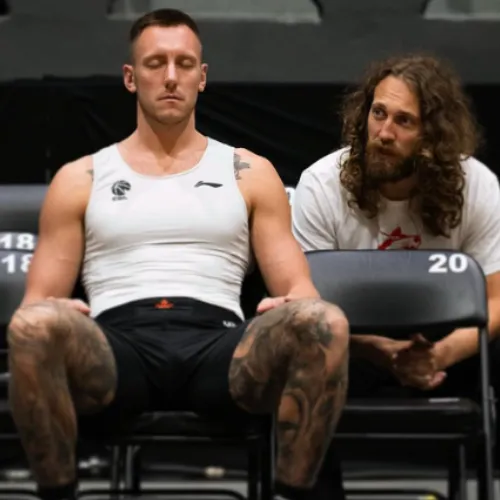
"The pregame work we did put me in the right mindset... I was ruthless and unstoppable."
- Mitch Creek
Former NBA Player & Vancouver Bandits Team Captain
CEBL 2025 Most Valuable Player
This isn't a pep talk. It's a practical session — you'll leave with something you can actually use.
By the end, you'll have:
· You'll spot the moment you start to tense up. Where it shows up, what it feels like — so you catch it before it drags your game down.
· You'll understand how your mind works under pressure — not just a quick fix. Once you get the mechanics, you stop guessing and start adjusting in real time.
· A way to settle yourself fast when the game's getting away from you. You practice it live on the call — so you can actually use it when you're tired and rattled.
· One small thing to try this weekend. No big checklist — just one move you can pull off in competition.
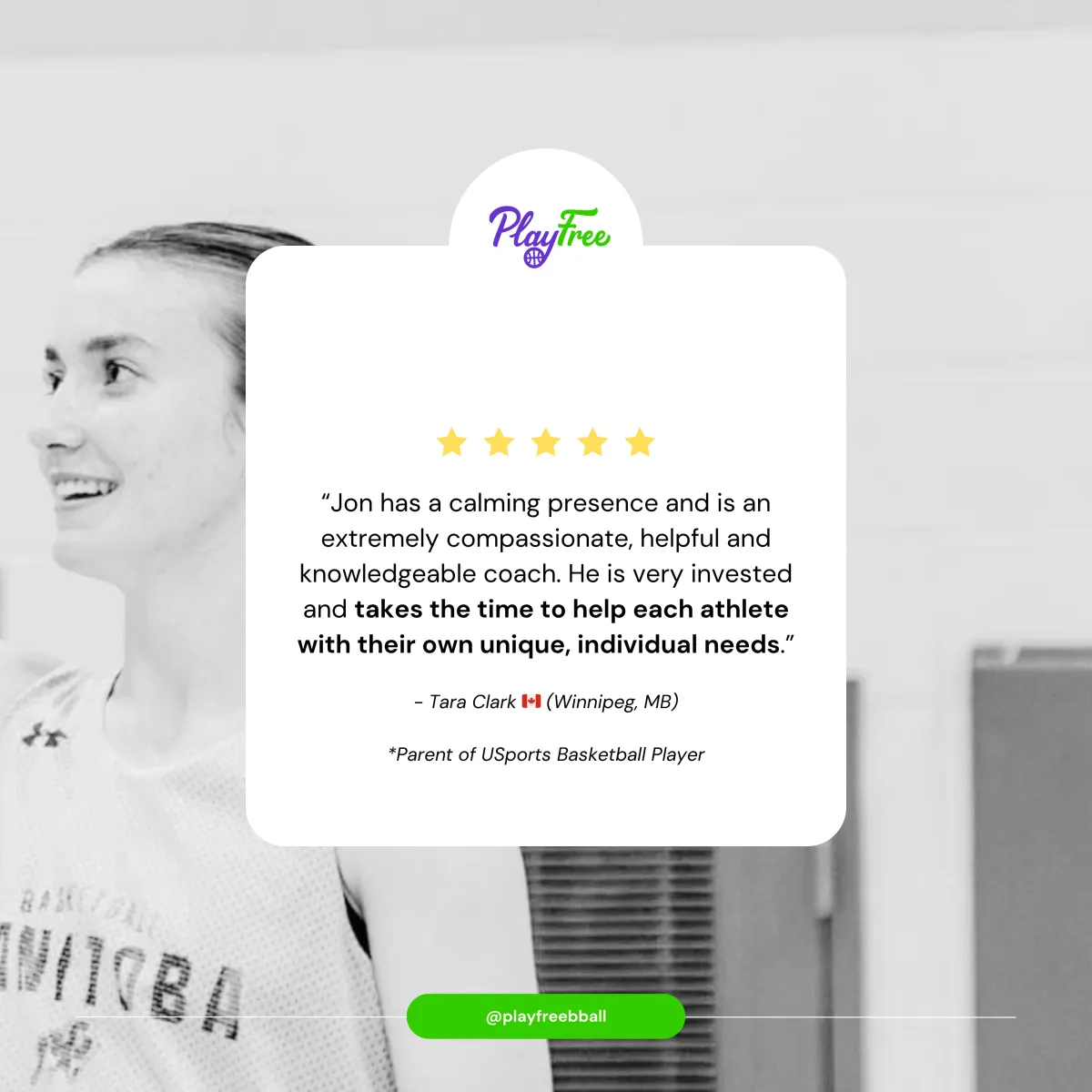
Parent Testimonial
"This is beyond basketball."
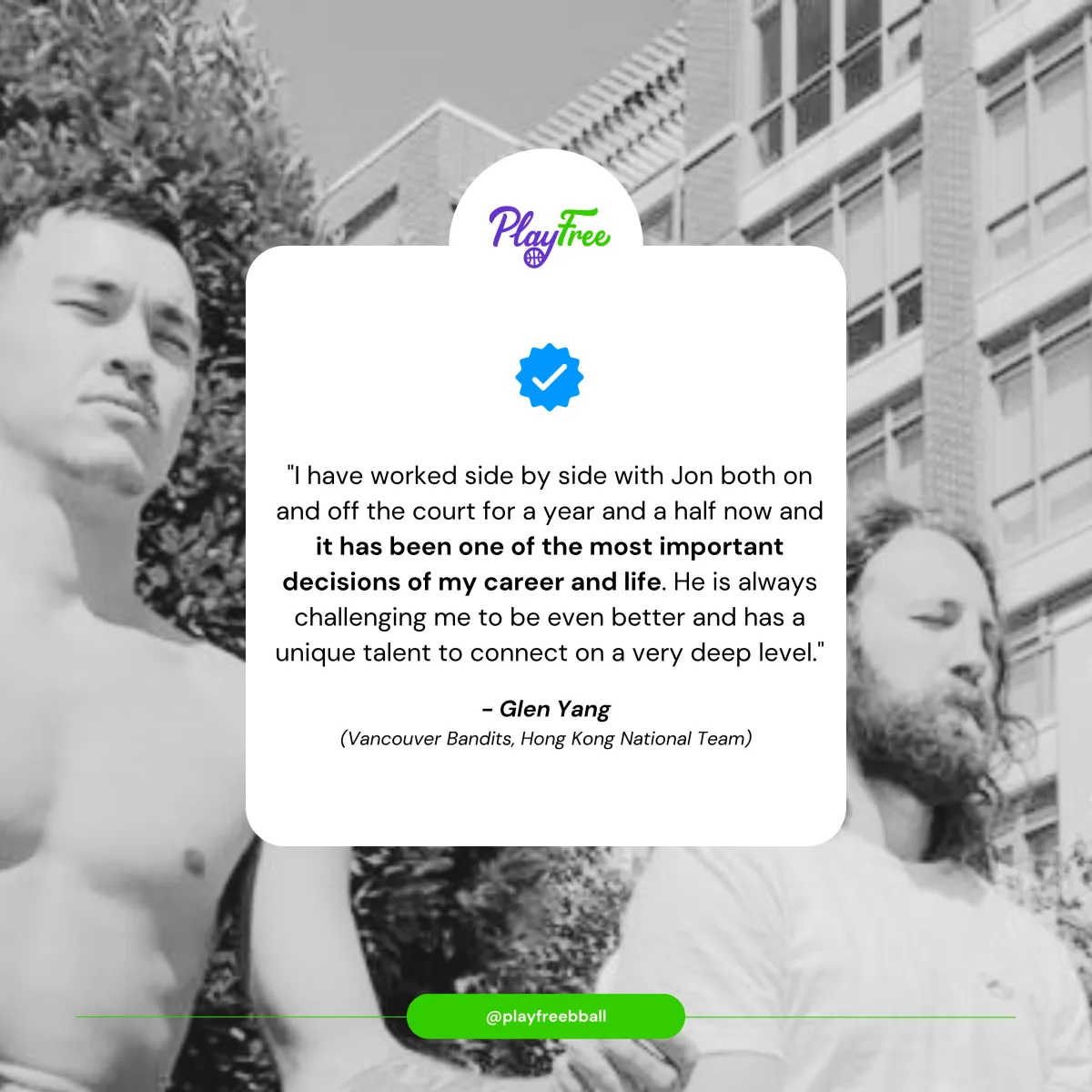
Elite College Fencer
"I trust myself like never before."
Pro Basketball Player
"I would spiral and spiral, non-stop in college..."
Youth Hockey Player/Parent
"He was throwing up before games... He couldn't eat breakfast."
High School Basketball Player
"Last year I would just give up and stop practicing..."
Is this therapy?
No — this isn’t psychotherapy or mental health treatment.
This is mental performance coaching: practical tools that help athletes handle pressure, reset faster after mistakes, and play with more confidence and consistency.
That said, some athletes I work with also deal with things like anxiety, ADHD, or high stress. We can absolutely build performance systems that support them — but if someone needs clinical mental health support, I’ll always encourage working with a licensed therapist alongside coaching.
Should a parent join the call?
It’s optional.
Most calls are athlete-only so they can speak freely and take ownership.
Parents are welcome to join for younger athletes, or if it helps the athlete feel comfortable at the start.
If a parent is supporting the process (financially or at home), I usually recommend a short parent alignment check-in after the intro so we’re all on the same page with language, expectations, and support.
Calls can be recorded, and you’ll receive clear next steps after the session.
What ages and sports does Jon work with?
Most athletes I work with are 13+, all the way through high school, college, and pro.
If an athlete is younger than 13, it’s only a fit if they’re genuinely motivated and open to learning the skills.
Sport-wise: I work with basketball most often, but the tools translate to any sport — hockey, volleyball, soccer, lacrosse, baseball, rugby, golf etc.
The biggest factor is simple: do we both feel it’s a fit after the intro call?
Will this help mid-season?
Yes — a lot of athletes reach out mid-season when pressure is high and confidence feels shaky.
In one call, we’ll:
identify what’s getting in the way
build a simple reset plan
leave you with tools you can apply immediately (same day / next game)
Long-term, being proactive is best — but mid-season support can absolutely change the direction of the season.
What’s Jon’s background?
Jon is a long-time coach and mental performance specialist. He’s the Director of Mental Performance for the Vancouver Bandits (CEBL) — the Canadian Elite Basketball League (Canada’s professional men’s league) — and coached college/university basketball for just under a decade (men’s and women’s).
Before that, he was a championship high school coach (3× provincial champion + national champion), and he’s run camps, workshops, and clinics for thousands of athletes.
Jon also worked as an elementary and middle school teacher, which shaped how he coaches: clear communication, strong values, and meeting athletes at their level — regardless of confidence, personality, or learning style.
On a personal level, Jon grew up working through learning disabilities, anxiety, a speech impediment, and bullying. That experience is a big reason his coaching is practical, supportive, and structured — helping athletes build confidence, regulate pressure, and trust their game when it matters.
What if my athlete is shy / doesn’t talk?
Totally normal — and more common than you’d think.
I’ve worked with plenty of athletes who were quiet, guarded, or unsure what to say at first. I’ll lead the structure, ask simple questions, and use tools that don’t require them to be “good at talking.”
My background in coaching and education helps here: we’ll meet the athlete where they’re at, build comfort quickly, and focus on actions they can take, not long conversations.
What happens if we want to continue after?
At the end of the intro call, I’ll tell you clearly what I think makes sense next.
If the athlete is under 18 (or a parent is supporting financially), we typically do a short planning call with the parent involved to align on:
goals + timeline
what the athlete needs most right now
the best support plan moving forward
If the athlete is 18+, we usually do that planning conversation together (and involve a parent only if the athlete wants).
From there, if it’s a fit, we move into ongoing coaching options based on the athlete’s needs.
🧠 This isn’t therapy. This is strategy. This is a system.
If they’ve got the talent but feel stuck — this is where we start turning that around.
🔥 "The Moment We Knew
This Was Working…"
“Watching him breathe, reset, and stay composed from the bench — it gave me chills.
He’s actually using the tools you taught him, and it’s showing on the court.”
— Chris (Parent of a high-performance athlete),
📍Vancouver, BC, Canada
Real Stories. Real Results.
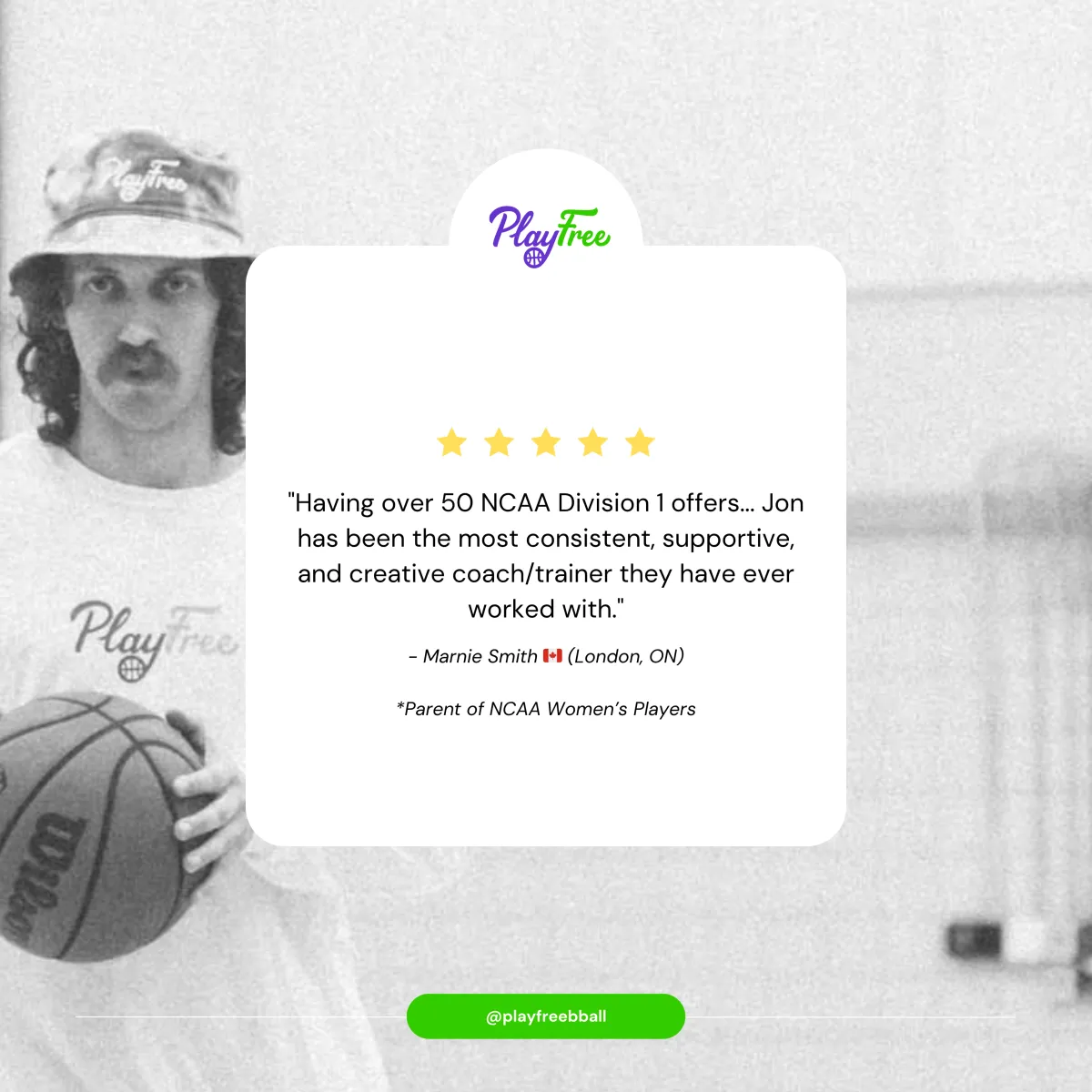
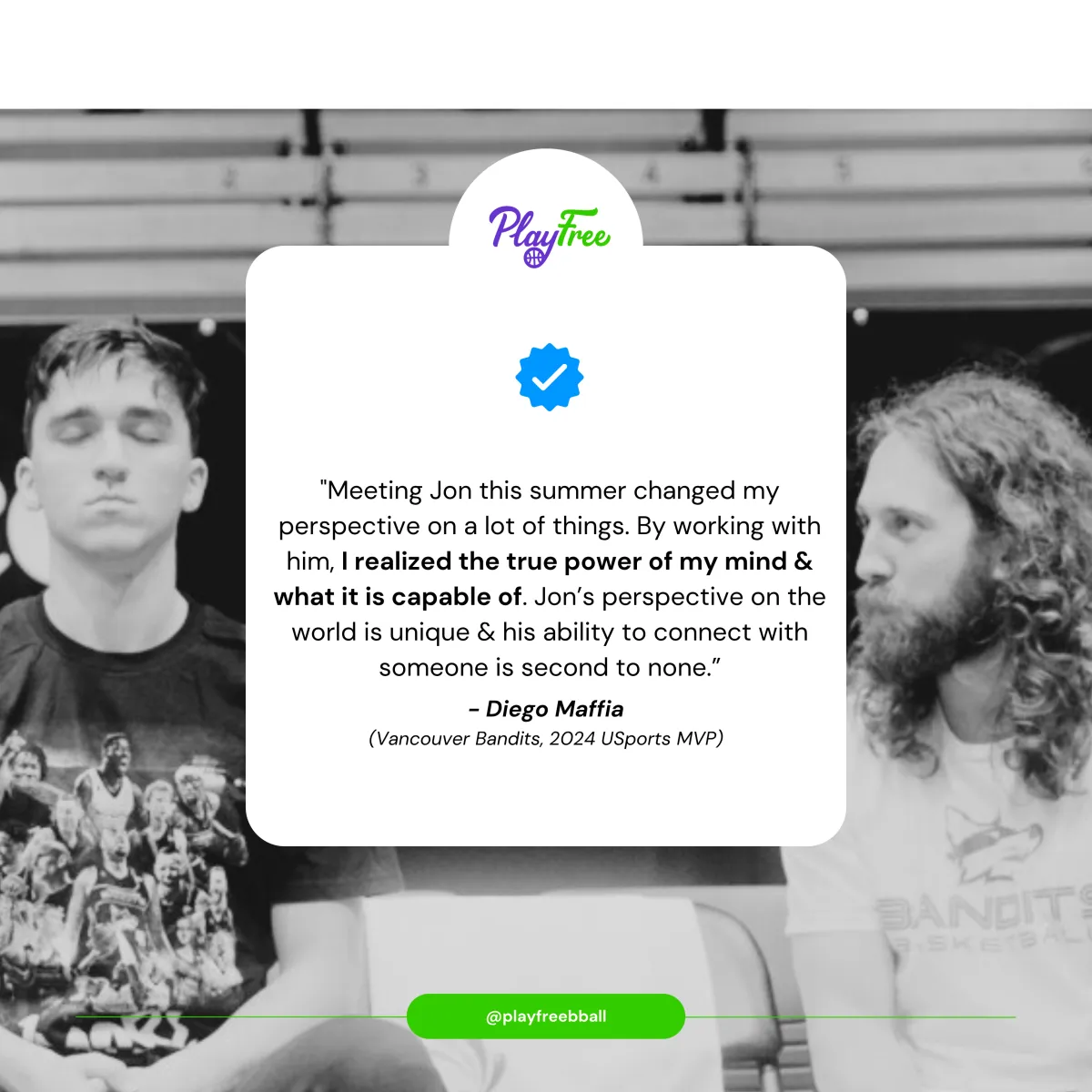
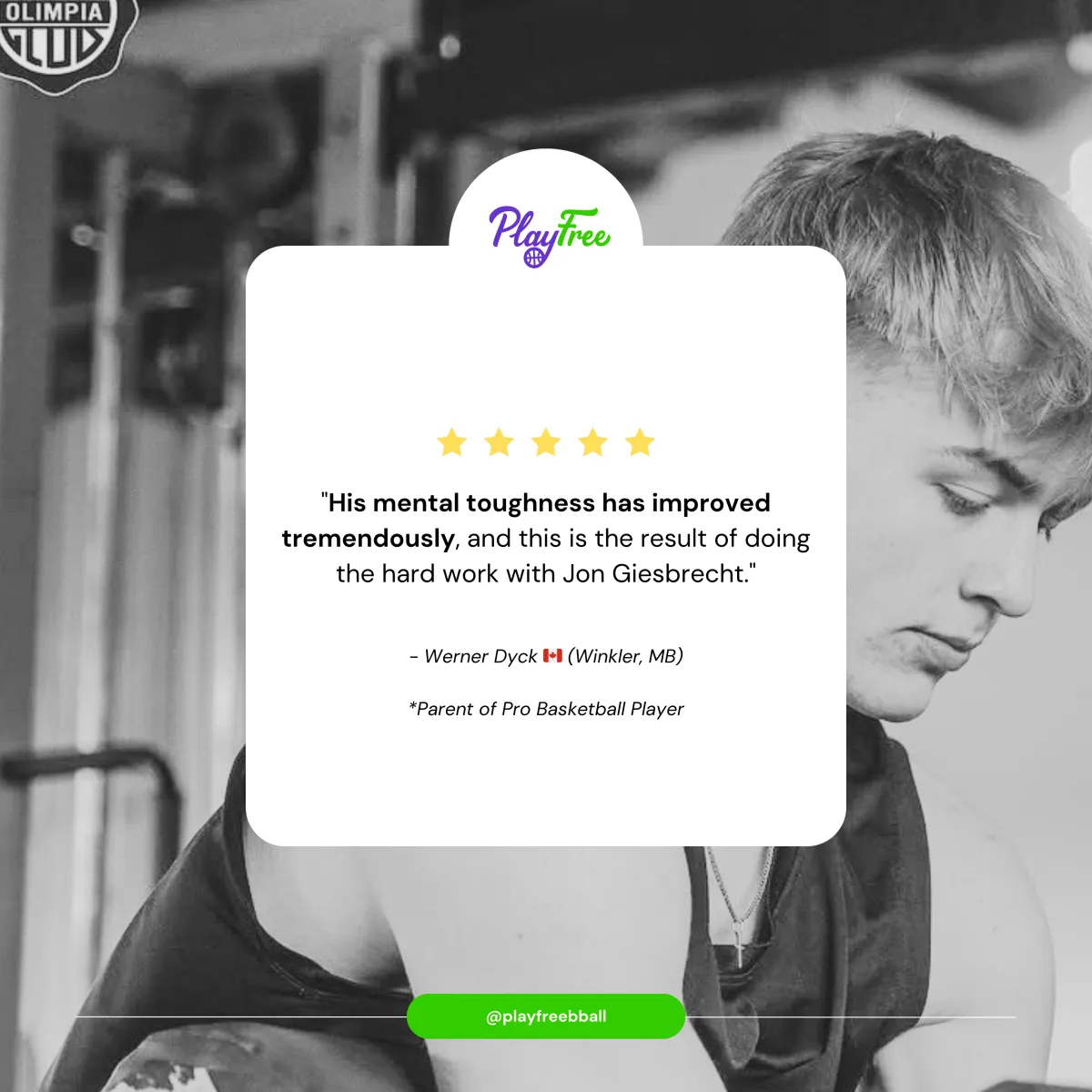
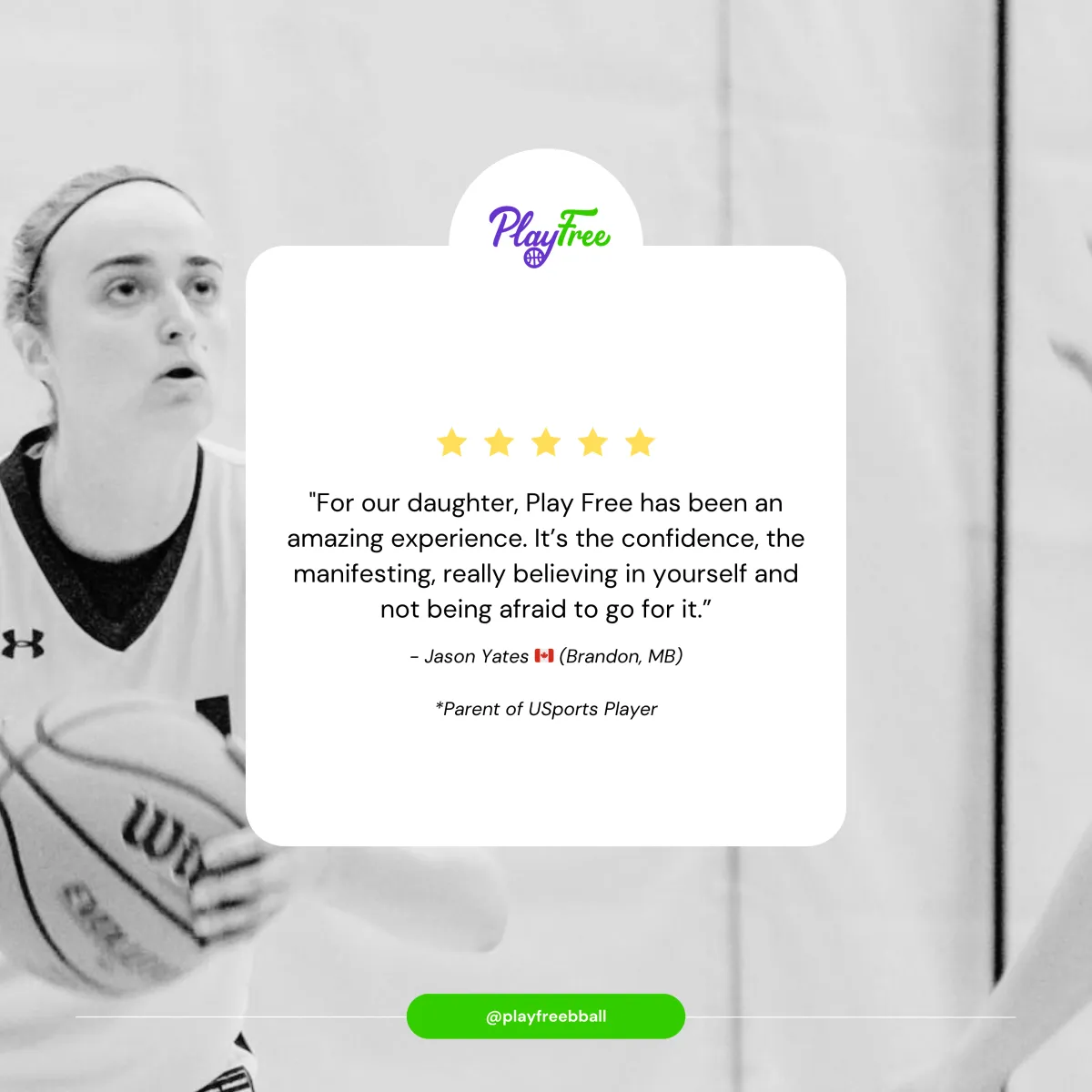
Here’s what parents and pros are saying after working with me: